
Get prepared before an emergency happens
We understand it can be overwhelming to find the right tools to stay prepared for an emergency. We want to help older adults, people with disabilities, and caregivers feel confident by giving you simple, easy-to-use resources that make planning easier.
Stay informed
- Public Alerts: Sign up to get emergency alerts by phone, text and email.
Personal identification and records
- Wearable ID: Make sure any wearable device or medical ID is current and easy to read.
- Medical alert info: Keep contact information, medication, and health condition details up to date.
- Important documents: Keep photocopies of insurance and medical forms.
Make an evacuation plan
- Have a place to go: Find shelters or family homes that can support older adults and allow any caregiving equipment you or they need.
- Alternate caregiver: Arrange for neighbors, friends, or family if the primary caregiver is unavailable.
- Personal information: Have a simple, written record with medical needs, medications, emergency contacts and accessibility requirements.
- Community Support: Coordinate with at least two neighbors who can assist or check in during emergencies.
The video below shares simple steps to get ready for emergencies. It gives clear tips on making a plan, gathering supplies and staying safe.
Build an emergency kit
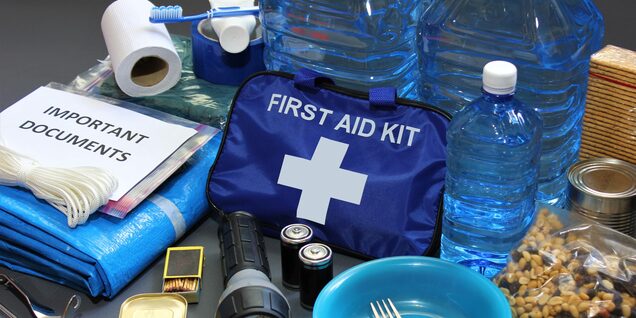
Start by gathering the supplies you may need in case of an emergency or disaster. Below is a list of basic supplies you can store at home or take with you in case of an evacuation.
- Water (at least one gallon of water per person per day for several days, for both drinking and sanitation)
- Food (maintain a supply of non-perishable food that will last several days)
- Flashlight
- First aid kit
- Battery-powered or hand-crank radio
- Extra batteries
- Whistle (can be used to signal for help)
- Dust mask or disposable face mask (to help filter contaminated air)
- A list of all medications, dosage and any allergies (keep an extra supply of your medications if possible)
- Sanitation and personal hygiene items
- Emergency blanket
Accessibility considerations depending on your needs
- Extra mobility device, crane or walker
- Backup supply of oxygen
- Pet food, extra water, collar ID tag, medical records and other supplies for your support or service animal
- Pen and paper (use when you have to communicate with someone who doesn’t know sign language)
- Noise-canceling headphones if loud noises bother you
- If you use communication devices or other assistive technology, decide how you’ll take them during evacuation or replace them if needed. Know the model information and where the equipment came from.
Toolkits: Printed materials available
Our toolkits are easy-to-use printed packets that help older adults stay safe and prepared at home. We will provide them directly to DAVS clients, and community members can also visit our office to pick one up. Each toolkit has simple fall prevention tips that people can use right away, plus an emergency supply checklist to help you get ready for unexpected events. These tools support everyday safety and help our community be better prepared for emergencies.
Our local response to disasters
Emergency Management helps keep the community safe when disasters happen. Their job is to develop plans to respond quickly and protect people, property and the environment. They also work with state, federal, and local partners to help rebuild the community and support individuals, families, and businesses after a disaster.
Public Health is the local team in any kind of emergency that involves an outbreak of infectious disease, including pandemic influenza, foodborne illness, vaccine-preventable disease or emerging infectious disease.
Additional preparedness and safety resources
Take 5 to Survive for people with disabilities: If you or your loved one has specific needs for hearing, learning, seeing or physical mobility, there are several things for you to consider as you plan and prepare.