
Sign up for project updates.
What is the Active Transportation Plan?
The Active Transportation Plan is a long-range plan with the goal of encouraging transportation options that make Washington County a better place for people traveling by foot, bicycle, wheelchair or mobility device, and accessing public transit. The plan will provide a blueprint for well-connected, attractive pedestrian and bicycle networks that are comfortable, convenient, and accessible for people of all ages and abilities. This includes developing tools and strategies to make it easier and safer to get around without a car in Washington County, whether it’s traveling for work, school, errands, appointments, or for social activities.
Summer 2026 Survey Results
In July we conducted an open house and survey to learn your thoughts on what we should include in the Active Transportation Plan. We received 646 web and paper responses. Here's some of what we learned:
- How do you typically go about daily transportation and recreational activities? (select all that apply)
- 67% Walk
- 2% Use a wheelchair
- 39% Bicycle/e-bike
- 4% Roll (scooter/skateboard)
- 32% Use Transit (TriMet, SMART, Ride Connection, school bus, etc.)
- 75% Use a personal vehicle
- 16% Carpool
- 5% Use Taxi/ridehail service (Lyft or Uber)
- For those who walk or use a wheelchair/mobility device: How often do you walk or use a wheelchair/mobility device on streets or trails?
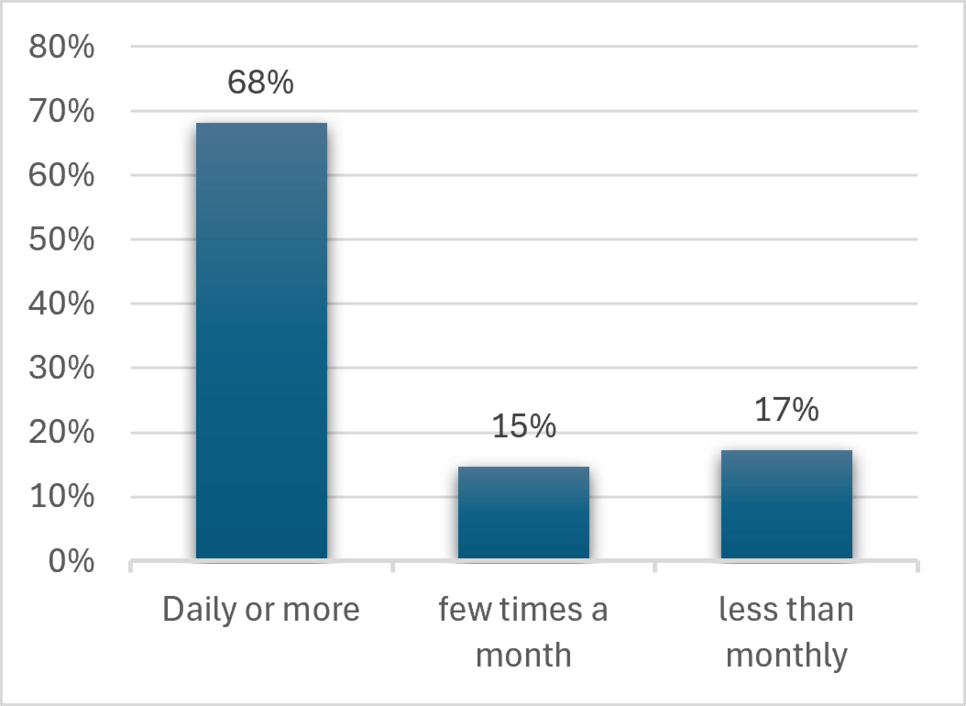
Of those who walk or use a wheelchair/mobility device:
- 68% Daily or more frequently
- 15% A few times a month
- 17% Less than monthly
- For those who bike or roll: How often do you bike or roll on streets or trails?
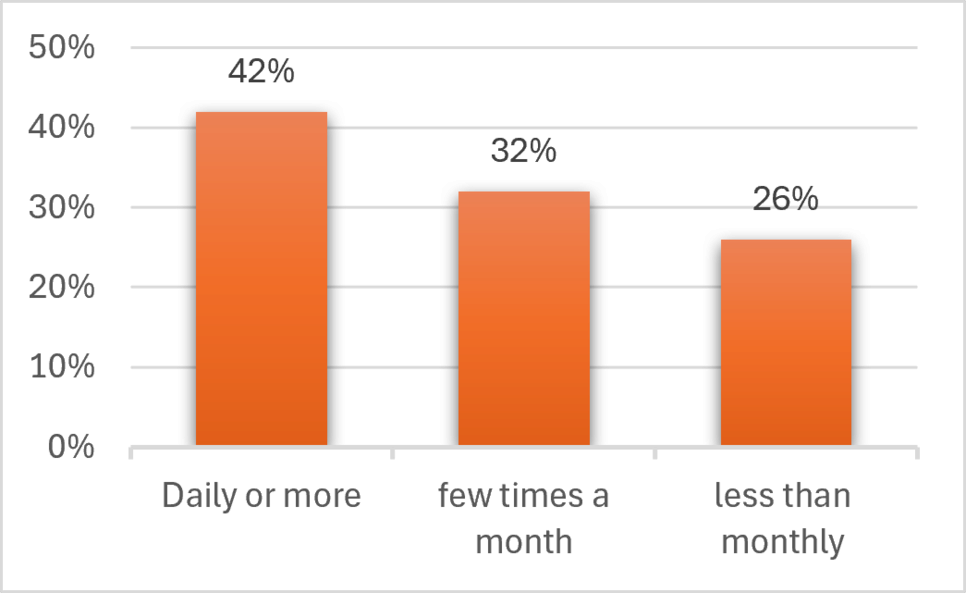
Of those who bike or roll:
- 42% Daily or more frequently
- 32% A few times a month
- 26% Less than monthly
- For those who walk or use a wheelchair/mobility device: What is your primary purpose for walking or wheelchair/mobility device on streets or trails? (select all that apply)
Of those who walk or use a wheelchair/mobility device:
- 8% Going to work/school/volunteering
- 19% Running errands
- 18% Social activities
- 13% Accessing public transit
- 39% Recreation/exercise
- 3% Other
- For those who bike or roll: What is your primary purpose for bicycling or rolling on streets or trails? (select all that apply)
Of those who bike or roll:
- 16% Going to work/school/volunteering
- 19% Running errands
- 18% Social activities
- 8% Accessing public transit
- 38% Recreation/exercise
- 3% Other
- For those who walk or use a wheelchair/mobility device: How satisfied are you with the overall experiences you have on streets and trails?
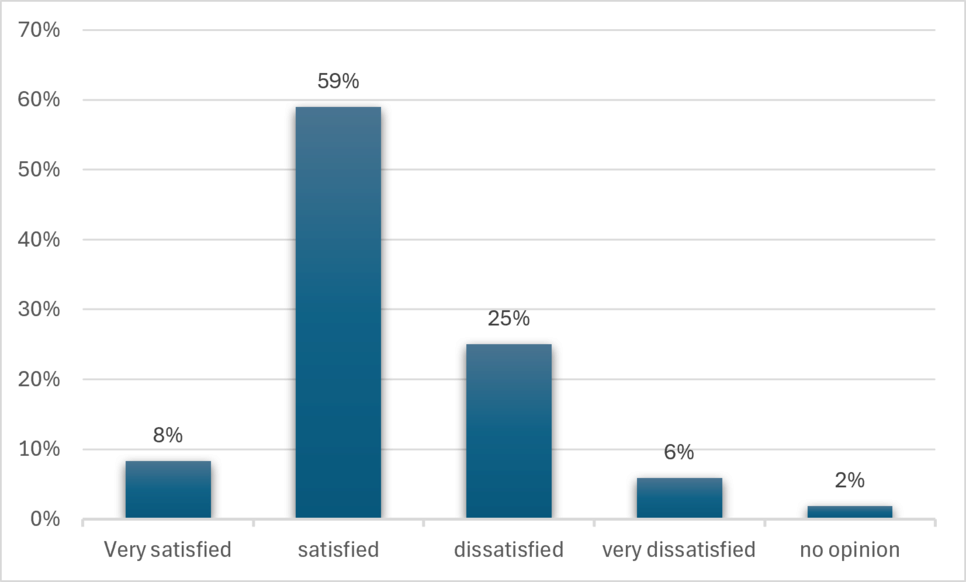
Of those who walk or use a wheelchair/mobility device:
- 8% Very satisfied
- 59% Satisfied
- 25% Dissatisfied
- 6% Very dissatisfied
- 2% No opinion
- For those who bike or roll: How satisfied are you with the overall experiences you have on streets and trails?
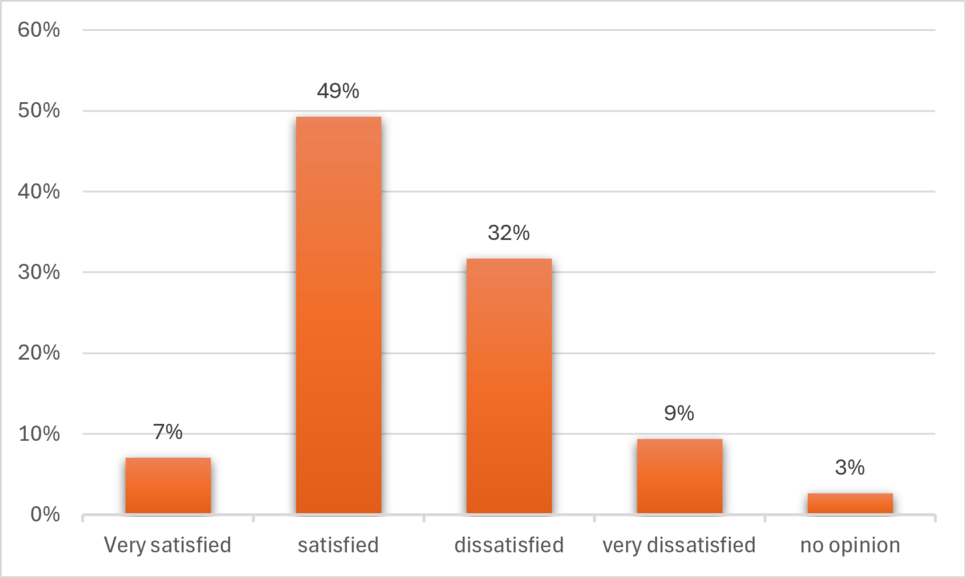
Of those who bike or roll:
- 7% Very satisfied
- 49% Satisfied
- 32% Dissatisfied
- 9% Very dissatisfied
- 3% No opinion
- Top four improvements that would encourage you to walk or use a wheelchair/mobility device more on streets or trails:
- Continuous and well-connected sidewalks
- More destinations within walking distance
- Wider sidewalks or more separation from auto traffic
- More trees for shade
- Top four improvements that would encourage you to bike or roll more on streets or trails:
- Continuous and well-connected bike lanes
- Separated bike lanes from auto traffic
- More or safer street crossings and intersections
- More off-street bike paths and trails
Why Is This Important? Because We Want to...
- Safety: Decrease severity of crashes and risk of serious injuries or deaths for all modes, especially for vulnerable road users
- Opportunity: Increase access to opportunities, such as employment or education, especially for lower-income populations
- Health: Improve human health outcomes by reducing the risks of cardiovascular disease, lowering public healthcare costs
- Environment: Lessen the harmful effects of climate change emissions and air pollution to human and wildlife habit
- Access: Reduce transportation barriers for users with mobility challenges, especially in wheelchairs
- Economic Vitality: Support development of vibrant, walkable, mixed-use neighborhoods and reduce the need for excess parking
What Will Be in the Plan?
- Commitment to Complete Streets: Creating policies that enable Washington County to plan, design and maintain a transportation system that prioritizes safety, comfort and accessibility for all users
- Context-Sensitive Design: Updating our road design standards to build streets that meet the needs of surrounding communities
- New Projects: Developing a list of priority projects for our Transportation System Plan that closes network gaps and improves multimodal connectivity to transit, schools, parks and other community destinations
- Walkable Communities: Reducing barriers to pedestrian travel with wider sidewalks and additional enhanced crossings on major streets and bus routes
- Upgraded Bicycle Network: Implementing separated bicycle lanes, intersection treatments and other enhanced facilities to make it easier to get around by bike
- More Safe Routes: Building a network of neighborhood bikeways to provide low-stress walking and biking routes for all ages and abilities
- Enhanced Trails: Identifying opportunities to eliminate missing links on our regional trail network so that they connect people to more places
- Well-Kept Facilities: Creating a maintenance strategy to keep bicycle lanes and paths safe and clear from debris or other hazards
Timeline
This is a 2026-27 project that is underway. Our summer open house concluded on July 30 and work is continuing with the advisory committee and upcoming focus groups.
Be a Part of This!
- Sign up for project updates
- Volunteer to participate in a community focus group. Email or call 503-846-3965 to learn more.
- Review our proposals (later this year) of draft designs, policies and projects and give your feedback
Resources
Planning grant to fund Washington County active transportation efforts
Related

Transportation System Plan

Road Design and Construction Standards

Transit Development Plan
Transportation Safety Action Plan

First and Last Mile
Contact(s)
| Name | Title | Phone | |
|---|---|---|---|
|
Reza Farhoodi
|
Senior Transportation Planner
|