

The Washington County Transit Development Plan (TDP) lays out how we plan to improve transit in the future and provides a clear vision for better transit service and access.
The Plan is updated every two years. The current TDP was adopted by the Washington County Board of Commissioners in December 2024, and reflects the priorities for two Fiscal Years: 2025-26 and 2026-27.
View the Current Transit Development Plan Guiding (2025-27)
To request the full report in another language email: [email protected].
2026 Update
The Transit Development Plan (TDP) is updated every two years to prioritize public transportation investments, including community and job connector services in areas outside of the TriMet and South Metro Area Regional Transit (SMART) transit districts and first/last mile transportation within the TriMet District where existing transit service is sparse or non-existent.
Your input in this planning process will significantly impact which projects we request funding for in upcoming Fiscal Years 2027-28 and 2028-29.
2026 Survey Results
We heard from 135 individuals through paper and online surveys. Here's what they told us...
- Have you used any of these Washington County transit services in the last year? (Select all that apply)
- 11% Cross-county services (Tillamook WAVE, Yamhill Co. Transit, POINT, etc.)
- 2% Door-to-Door services
- 10% GroveLink/Cornelius Link
- 7% North Hillsboro Shuttle
- 4% Tualatin Shuttle/King City Link
- 7% BethanyLink
- 4% westLink
- 9% SPOT Southwest
- 60% None of these services
- 2% Not sure
- What is important to you? Please rank these service priorities from most important to least important.
More important ranked service priorities:
- Maintain or improve weekday peak hour service
- Maintain community connector service to all destinations currently served
- Maintain or improve connections to other regional transit services, such as TriMet or SMART
Less important ranked service priorities:
- Maintain or improve weekday midday service
- Maintain or improve weekday evening service
- Maintain or improve weekend service
- Do you agree with the County's proposal (presented in the open house)
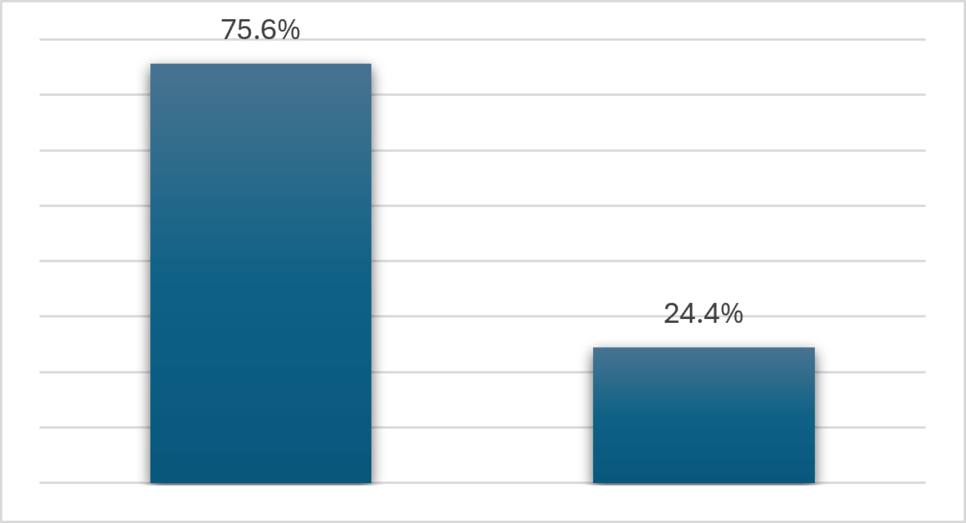
75.6% of responders agree with the county's proposal; 24.4% disagree.
- Is there anything else you want to share to help prioritize services funded with Statewide Transportation Improvement Funds (STIF)? Top themes of comments include:
- Transit Connectivity - "First and last mile" connections to other service providers (MAX or TriMet major hubs); better coordination of schedules with other providers (TriMet, SMART, etc.); interest in new north-south and east-west routes and express services to major employer locations.
- Service Frequency, Coverage and Reliability - Expansion of westLink, GroveLink, Bethany Link and North Hillsboro Link; frustration over gaps created by recent TriMet service cuts and requests for Washington County shuttles to cover those areas; requests for earlier/later hours for workers.
- Mobility Provisions for Vulnerable Populations - Importance of service for students, elderly riders, and people with disabilities; concerns about affordability and economic pressures on riders (Community shuttles are fare free); calls for more disability community involvement in transit planning, and comments that service cuts disproportionately affect vulnerable riders.
- Public Awareness and Rider Education - requests for better advertising of community shuttles and real-time tools (Transit App); education and transparency about ridership data and education how countywide transit fits into the regional network.
- Broader Transportation Picture - Expanding bike lands and ensuring safety of everyone at intersections; importance of continuing funding for public transit and resisting cuts to services; frustrations with barriers to active transportation (walking, biking, etc.)
Continue to Make a Difference
There are several ways to follow and learn details about the Transit Development Plan and contribute your input:
- Watch this page for updates as engagement opportunities become available
- Sign up for TDP project updates
- Thank you to those who visited with us during summer outreach events including Garlic Fest, Viva Tualatin and more!
- Thank you to those who participated in the Agust 2026 online open houses and survey!
How are Transit Development Plan Funded?
Projects in the TPD are funded through the Statewide Transportation Improvement Fund (STIF) — a dedicated fund used to improve or expand public transportation services.
How Does Washington County Qualify to Receive STIF Funds?
To meet state requirements to apply for and receive STIF funds, Washington County:
- Must be a provider of public transportation services
- Must develop a specific plan for use of the funds—the TDP
- Must demonstrate that funding will support statewide requirements
How the Plan Serves Our Community and Meets State Requirements
- Provide more frequent bus service to low-income areas
Ride Connection operates first/last-mile shuttle service in several communities identified by TriMet as Equity Areas, including Forest Grove and Tualatin. In the last biennium, service hours in Cornelius were extended from Saturday-only to six days a week while frequency in North Plains and Banks was improved from four to six trips per weekday.
- Expand bus routes and services to low-income areas
Ride Connection launched first/last-mile shuttles serving King City, Tigard and Bethany/Cedar Mill in unincorporated Washington County and expanded existing shuttle routes to serve new areas in Cornelius and North Plains. SPOT Southwest launched in January 2026, serving several affordable housing communities in Southwest Beaverton.
- Fund reduced-fare programs in low-income areas
Ride Connection services in Washington County are fare-free.
- Improve service to TriMet and South Metro Area Regional Transit (SMART) areas
Ride Connection recently improved frequency of the westLink intercity shuttle connecting North Plains and Banks to the TriMet district from four to six trips per weekday. A new shuttle launched in King City/Tigard also provides connections to the SMART Route 2X at Tualatin Park & Ride.
- Coordinate between service providers to improve service connections
Washington County works with interregional service providers such as SMART, Yamhill County Transit, Tillamook County Transportation District and Oregon POINT to improve stop and service coordination with Ride Connection shuttles and provide operations assistance where needed.
- Provide transit service for students in grades 9-12
Ride Connection serves Forest Grove High School and added new service to Sunset High School in Cedar Mill, Glencoe High School in Hillsboro and Tigard High School. SPOT Southwest, launched in January 2026 as a microtransit service pilot, provides transit support to students attending Mountainside High School.

Related

Washington County Transit Committee

Washington County Transit Study

Transportation System Plan 05-02-2024

TriMet Forward Together

Keep Oregon Moving

Do you need translation or interpretation?
Contact(s)
| Name | Title | Phone | |
|---|---|---|---|
|
Reza Farhoodi
|
Senior Transportation Planner
|